“It’s time to acknowledge that the enduring belief of American media’s exceptionalism is toxic, and if it continues, it will take down democracy with it.”

ON THE MEDIA | A prayer for a humbler media
read more
“It’s time to acknowledge that the enduring belief of American media’s exceptionalism is toxic, and if it continues, it will take down democracy with it.”

By imposing new restrictions on the media and female actors, the Taliban have once again reaffirmed their misogynistic ideology, rights advocates have said.
Afghanistan’s Taliban rulers unveiled a new set of restrictions on Afghan media earlier this week, banning television channels from showing dramas and soap operas featuring women actors.

In a very emotional experience, the event included the participation via Zoom of two recent evacuees and the project’s translator and coordinator. Qasem joined from Iran, Aqeela from France, and jamal from Canada.
Contact Community Supported Film if you would like to organize a Screen&Discuss with the Afghan films in your community.
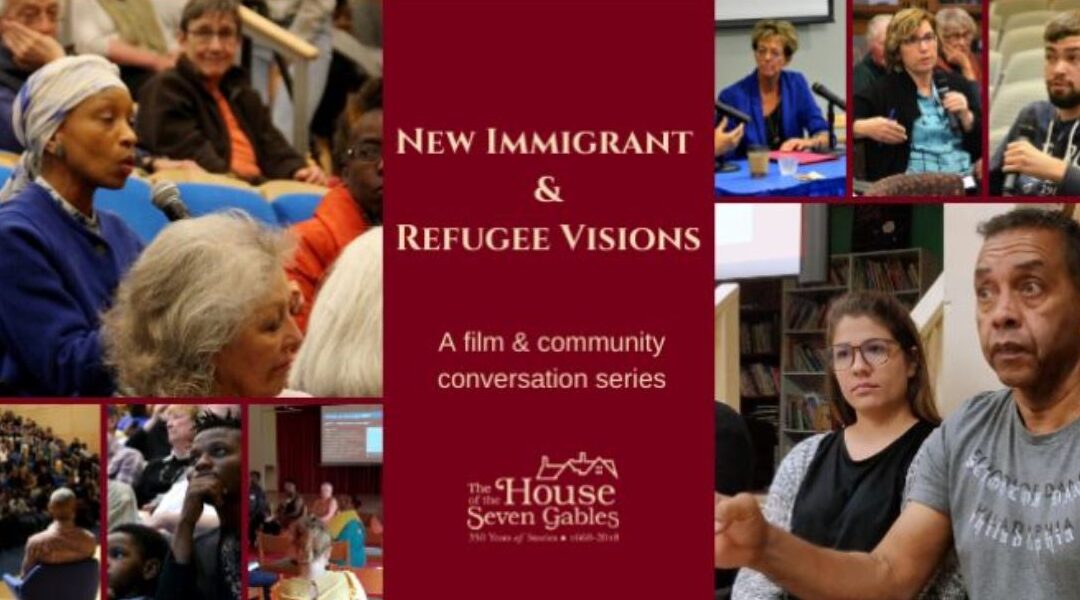
These two films stimulated a timely discussion about the current worldwide refugee crisis and the immediate challenges facing Afghans and Haitians due to recent man-made and natural disasters. November 10th, 6-7:30pm EST, Online

Click on the following links, or contact your Senator and Congressperson about the following: 1. Hold the Biden administration accountable to...

Thank you to @theDocYard & @BrattleTheatre for donating all proceeds from benefit screening to CSFilm Fund for Afghan Evac and Resettle. They raised over $500!

Afghanistan’s economy spirals: For the first time, there are similar levels of food insecurity among urban households as drought-hit rural ones.

What we should be shocked about is the near-silence here in the United States from Vice President Kamala Harris and First Lady Jill Biden — arguably America’s most powerful women — I ask the former prosecutor Ms. Harris and the current professor Dr. Biden: Where are your outspoken voices on justice and education for the women and girls of Afghanistan?

Community Supported Film is working with pro bono lawyers to file for Humanitarian Parole for our Afghan families in Afghanistan and Iran....
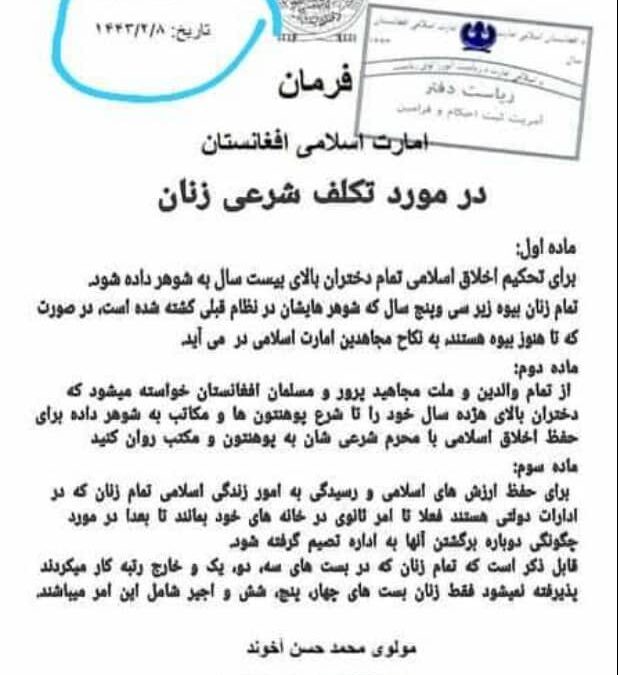
The Prime Minister of the Islamic Emirate of Afghanistan, Mawlawi Mohammad Hasan Akhund, has announced the following rules for women according to...
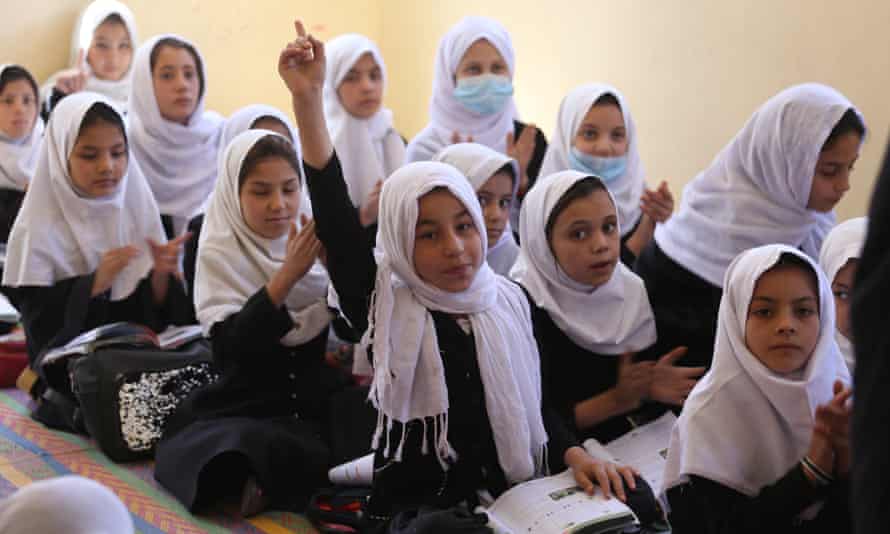
Taliban government announces re-opening of high schools for boys but makes no mention of girls. Only male teachers to report to work. Watch CSFilm’s

Thousands of mostly Haitian asylum seekers have gathered under the bridge that connects Del Rio in Texas and Mexico’s Ciudad Acuña, creating a makeshift camp with few basic services in intense heat. More than 50 Democratic lawmakers urged the Biden administration to halt deportations to Haiti.