Updates

Five Dark Years – the Fall of Humanity and the Silencing of a Generation

Five years have passed since the fall of Afghanistan—a period that, for millions of people, has meant far more than lost years. It has been five years of humiliation, deprivation, fear, silence, and the gradual erosion of hope and human dignity.

Five years ago, Afghanistan fell into the hands of a group that, instead of building a future, closed the doors of life on its people. During these five years, the Taliban have not moved toward reform or change. On the contrary, with each passing day, restrictions have expanded and life has become increasingly difficult for millions of Afghans. The rights to education, work, freedom of movement, social participation, and many of the most basic freedoms of human beings—particularly women and girls—have been taken away.
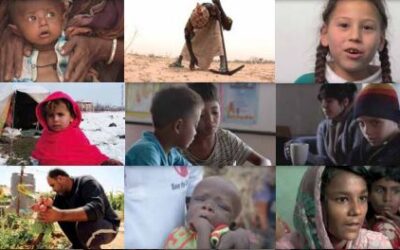
read more
Decolonise How? | How to change reporting

Decolonise How? | How to change reporting

6 June 2026, This story was originally published by The New Humanitarian. In the pursuit of diagnosing what’s wrong with humanitarian storytelling, the Decolonise How? podcast has named extractive narratives, critiqued the politics of pity, and exposed how suffering...

read more
Decolonise How? | What does a crisis look like? The ethics of humanitarian imagery

Decolonise How? | What does a crisis look like? The ethics of humanitarian imagery

Our collective visual vocabulary of crisis is neither accidental nor neutral. It has been shaped by decades of coverage, often from a narrow, Western lens – a lens that has taught audiences what suffering is supposed to look like. That vocabulary now distorts our understanding of crises and undermines the dignity and agency of those living through them.

read more

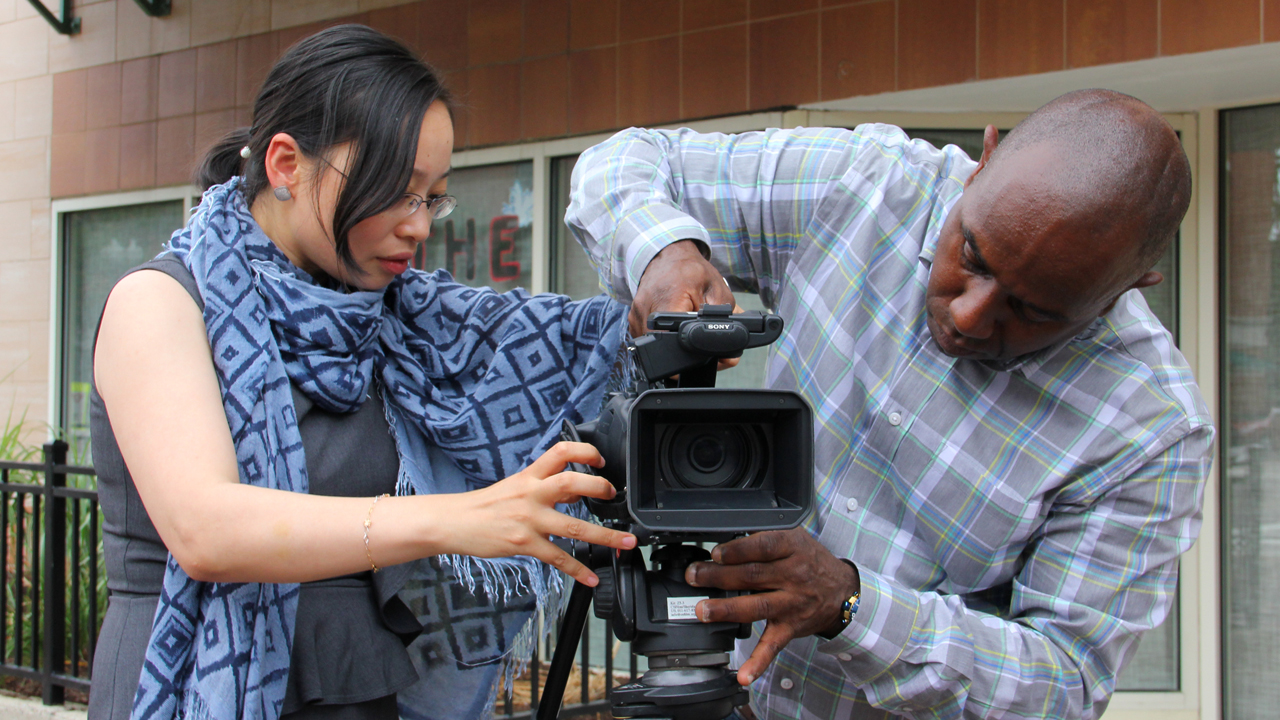
Community Supported Film's Look Listen Local online training in lived-reality documentary filmmaking is developing into a transformative learning tool. Our mission is to strengthen the capacity of local storyteller's to communicate their community's most pressing...

read more

Vision and Mission

Community Supported Film (CSFilm) amplifies local voices in under- and mis-represented communities so that they can effectively communicate their lived realities through documentary filmmaking.

We believe that if people learn about the world’s challenges from the local perspective they will be better able to demand the right actions from their governments and to support effective humanitarian responses.

Michael Sheridan, Director of CSFilm, on the impact of local perspectives

Samples of CSFilm’s Work

Excerpt from Haitian filmmaker Bichara Villarson’s Owned and Occupied, part of the Owning Our Future: Haitian Perspectives in Film film collection.

Excerpt from Afghan filmmaker Aqeela’s The Road Above, part of The Fruit of Our Labor: Afghan Perspectives in Film film collection.

Excerpt from Dominican filmmaker Rafael DeLeon’s She’s an American Child, part of the New Immigrant and Refugee Visions (NIRV) film collection.

These films are made to stimulate dialogue. Here is an excerpt from a New Immigrant and Refugee Visions Screen&Discuss event.

Collaborate and Learn with CSFilm

Collaborate

Collaborate

CSFilm wants to help your community tell their stories. Let’s explore how our model of training, filmmaking and public engagement can redefine the public’s understanding of your issues.

Screen & Discuss

Screen&Discuss

Screen&Discuss campaigns inspire new thinking and action among diverse audiences. See documentation from previous events and learn how you can organize your own.

Issues & analysis

Issues & Analysis

News and views on the people, places and topics of concern to Community Supported Film and our project partners.

Your Support Has Impact!

Donate and get involved today to support CSFilm’s training, filmmaking and public engagement work.

DonateGet Involved