6 June 2026, This story was originally published by The New Humanitarian. In the pursuit of diagnosing what’s wrong with humanitarian storytelling,...
Decolonise How? | How to change reporting
read more
6 June 2026, This story was originally published by The New Humanitarian. In the pursuit of diagnosing what’s wrong with humanitarian storytelling,...

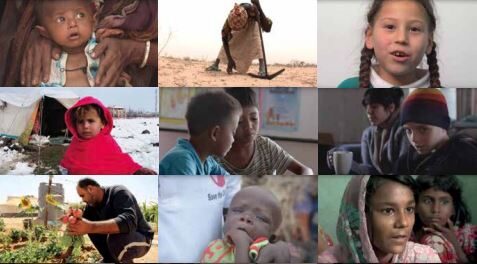
Our collective visual vocabulary of crisis is neither accidental nor neutral. It has been shaped by decades of coverage, often from a narrow, Western lens – a lens that has taught audiences what suffering is supposed to look like. That vocabulary now distorts our understanding of crises and undermines the dignity and agency of those living through them.

Israel responsible for record journalist death toll of 126 journalists. The CPJ has found that at least five journalists were specifically targeted by Israel for their work and is investigating at least 10 more cases of deliberate targeting

The digital revolution and modern journalism allow us to cover Afghanistan during these critical times despite Taliban efforts to block us.

Who is best placed to report on humanitarian situations. Is it the cadre of “international” journalists or their local counterparts?

This is an on point analysis of the bias and other colonialist practices of mainstream Western media that are so badly impacting how we understand and address conflicts and crises.

The goal, she says, was to teach her followers that there was more to Gaza than conflict and destruction.

After decades of shrinking revenues, and an increasing expectation among consumers that journalism should be free, the global media industry has reached a crisis point. As legacy news outlets shut down or lay off staff, misinformation and conspiracy theories run rampant, blurring the line between fantasy and reality.
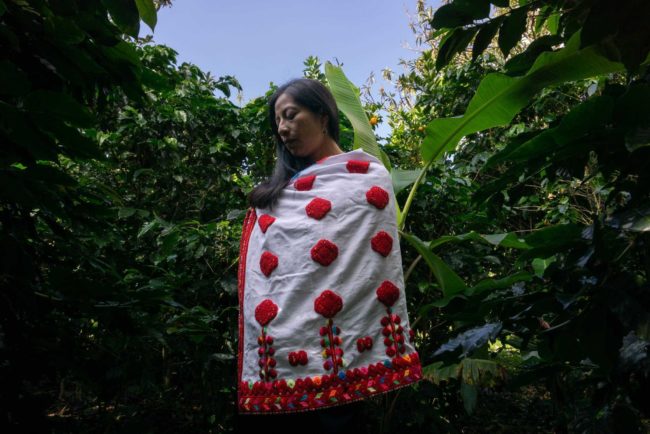
After the 1994 [Zapatista] uprising, a boom in documentary films focused on indigenous themes and communities — but the overwhelming majority, Sojob says, were made by people from outside the state. Her own interest in storytelling began when, using a camera that her father gave her, she recorded an ongoing land conflict between the people of Chenalhó and the neighboring town of Chalchihuitán. Unless there was some sort of testimony, she realized, no one would know what was happening, “that it was us, ourselves, who had to get out everything that was happening within, from our own context, from our community.”

As journalists and local news organizations, we have recognized over the past few years that we have too often lost touch with the basic civic information needs of our communities. It is difficult for citizens to engage with either news media or government without the fundamental information they need to participate.

Rosa Parks was taking testimony from women who’d been raped … she would travel around the country doing that. It just really changes your take on her … Rosa Park was not a little old lady who was tired that one day on the bus, it’s just so inaccurate.

Refugees of the Moria camp in Lesvos, Greece are behind the camera in the film Nothing About Us Without Us.
One of the pressing complaints about Western journalism is that traveling reporters drop into the scene where a story is unfolding, tell only a fraction of it, and jet off to the next destination chasing another lede. Marginalized people seeking media coverage also sometimes find themselves at the mercy of journalists who lack cultural context in their reporting, resulting in clickbait headlines that reinforce problematic stereotypes.