“I thought a lot about you and what you taught us while making this video.
CSFilm’s work is truly making a difference!”
“I thought a lot about you and what you taught us while making this video.
CSFilm’s work is truly making a difference!”
The goal, she says, was to teach her followers that there was more to Gaza than conflict and destruction.
We need to raise $20,000 by the end of the year to meet our production goals. Can you help? No donation is too small or too large!
CSFilm encourages you to think critically about who decides on and creates your news and information. Here are a few of suggestions for local reporting on issues of international concern:
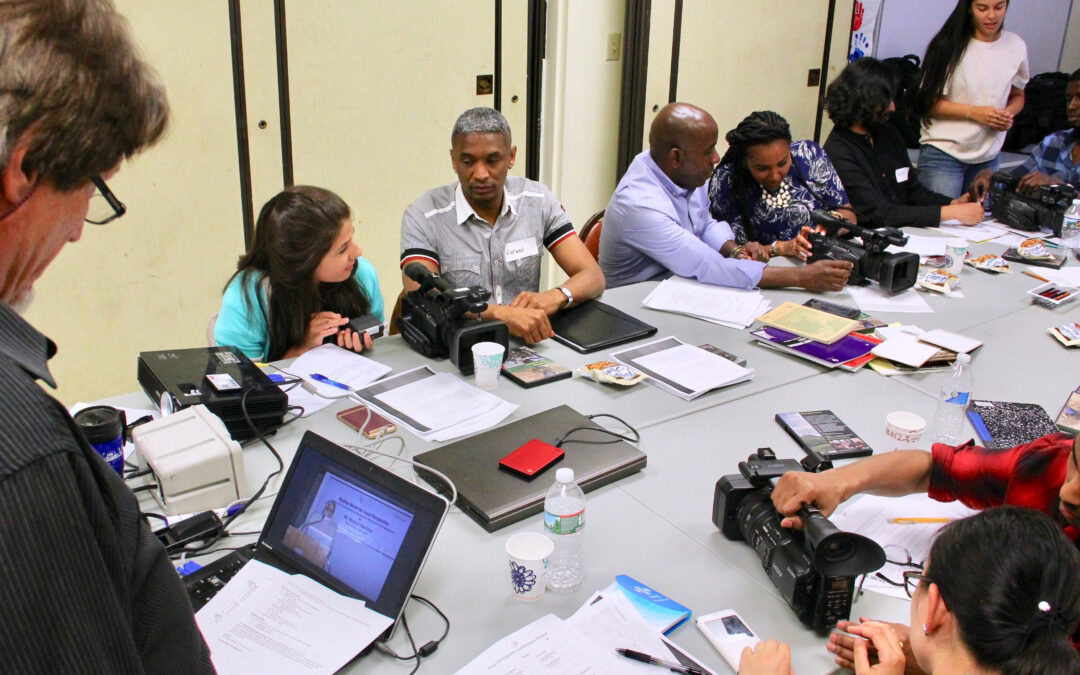
Community Supported Film (CSFilm) wrote a new proposal to seek support for the development of our online documentary training (ODT). We are pleased to announce that the McMillan Stewart Foundation generously granted $20,000 for this two-year project. ODT will train community activists, journalists, and other grassroots storytellers in documentary filmmaking – from story development through post-production.
Qin Lee, Abdirahman Abdi and Braulio Tellez Vilches, screened their New Immigrant and Refugee Visions (NIRV) films for 90 Au Pairs in Boston.
CSFilm continues to provide legal and logistical support for our Afghan colleagues as they seek a path to safety and stability. Many of the evacuation and resettlement appeals and parole cases that we have filed continue to languish in US State Department systems. Several cases have been denied, leaving the families without hope for resettlement.
Online documentary filmmaking training, in development; Afghan and Haitian crises; Remembering our ‘ol pal Jeanne Steig
Michael called on FCTV to join him in working to educate the public about the importance of who selects and reports our news. Once the public starts hearing from more local voices we will begin to understand what the issues are that need to be addressed. We haven’t yet begun a dialogue based on good information.
After Afghanistan fell to the Taliban tens of thousands of Afghans made their way to the United States. They were allowed to stay under a program called “humanitarian parole.” But that status expires in a couple of months, and although they can renew one time, many are calling for Congress to pass the Afghan Adjustment Act, which would allow them to seek more permanent status.
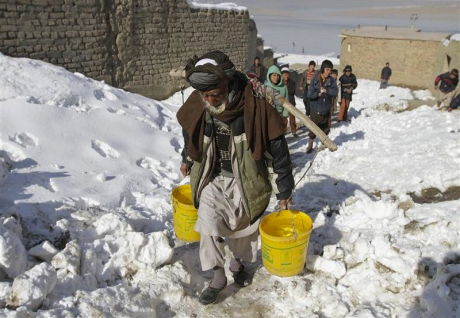
For thousands of Afghans, the American withdrawal from Kabul was just the beginning of a long, dangerous search for safety.
“Recognition of Taliban — violation of women’s rights,” the women chanted during the march, which lasted no longer than 10 minutes in the capital.