Journalists are increasingly being targeted and killings are only the most dramatic expression of a gloomy outlook for media freedom
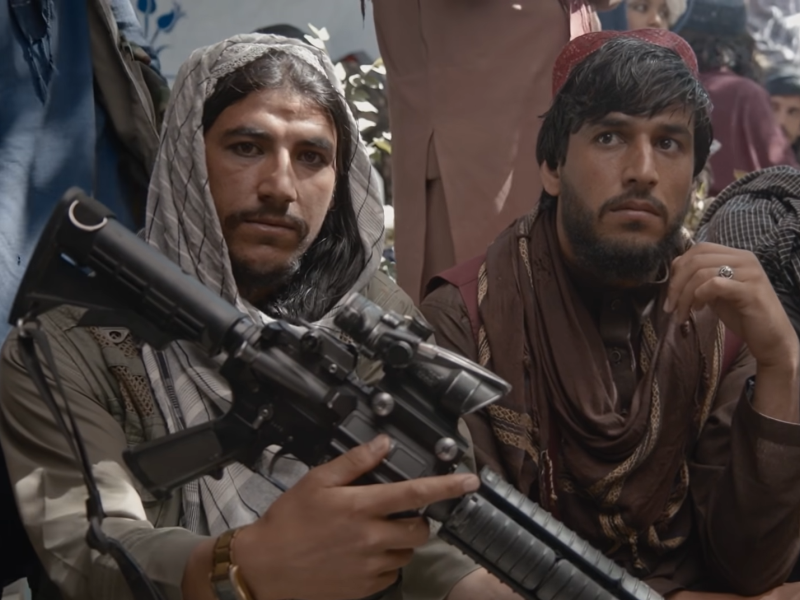
Since the Taliban takeover in August 2021, the three Central Asian states that border Afghanistan intended to defend their borders through security reinforcement and diplomacy, primarily relying on Russian initiatives.
Many journalists have gone into hiding or fled abroad with no legal or financial support and only pro-military publications can now work openly in the country.
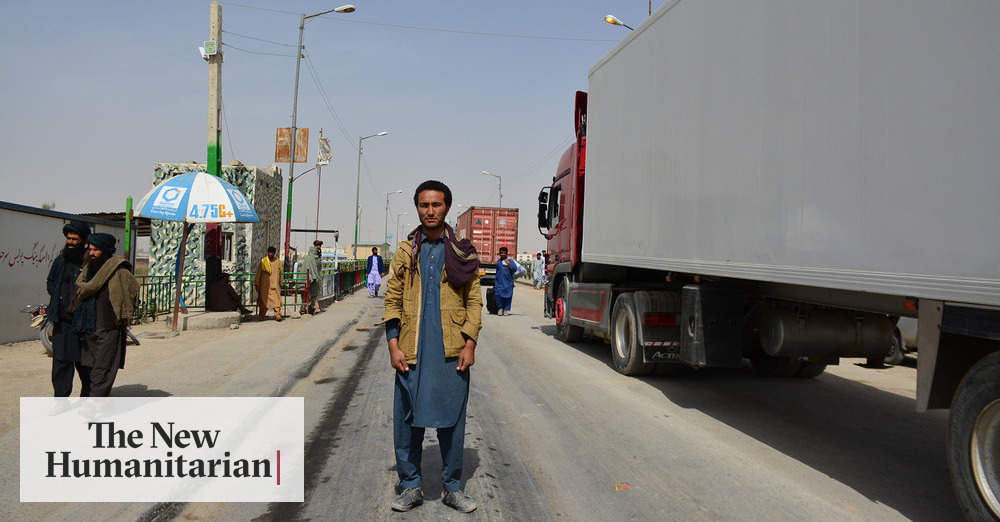
As it gets harder to feed their families, more and more Afghans are attempting risky journeys into Iran via Pakistan to find work.
As the politics of immigration ramp up, Utah is proving that bipartisan and public-private collaboration is still possible.
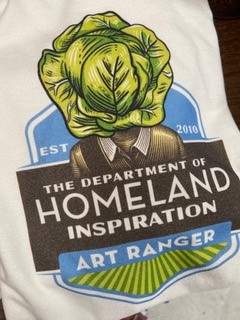
The Art Ranger, aka artist Melissa Smedley, produced a podcast on the work and sounds of CSFilm. It includes an interview with CSFilm director, Michael Sheridan, and a sound collage from the films of CSFilm filmmakers and trainees.
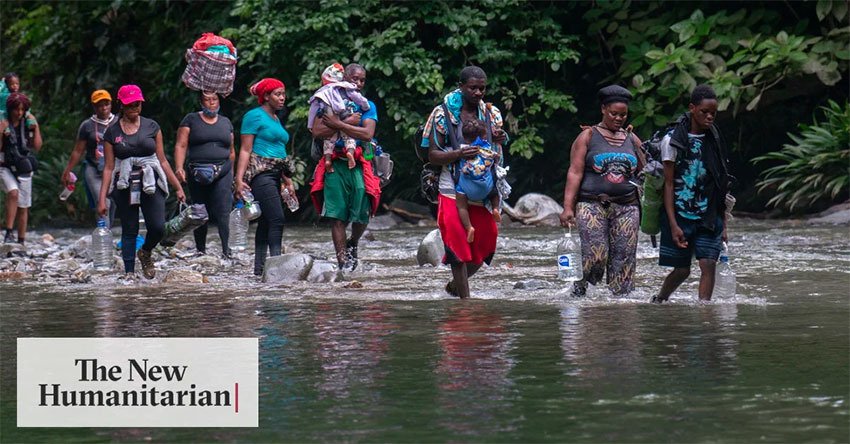
Record numbers are attempting the treacherous continent-crossing route through the Darién Gap to the United States. Here’s one person’s story.
In 2021 Community Supported Film continued to deal with the limitations caused by COVID, developed new programing, and in August turned all our attention to helping Afghans.
Financial support during COVID allowed us to take on many activities despite the barriers caused by the pandemic. We hope that the information provided in this report encourages continued support for ongoing and new initiatives.
Afghanistan’s supreme leader and Taliban chief Hibatullah Akhundzada imposed some of the harshest restrictions on Afghanistan’s women since they seized power, ordering them to cover fully in public, ideally with the traditional burqa.
“‘Haiti is a minefield,’ said Harold Isaac, a journalist based in Port-au-Prince who works for the Associated Press. ‘The minute you start reporting news, there are so many threats, because it casts light on people that don’t necessarily enjoy that.’”
The Armed Conflict Location and Event Data Project Afghanistan (ACLED) reported that the rate of violence against women and civilians has surged in Afghanistan. The Islamic Emirate denied the report.
Online violence against female journalists has become a “silent epidemic.” A 2021 UNESCO global survey indicates that nearly three quarters of female journalists have experienced online harassment.