The remaining female journalists in Afghanistan have one thing in common: They love their work, and feel it is more vital than ever.
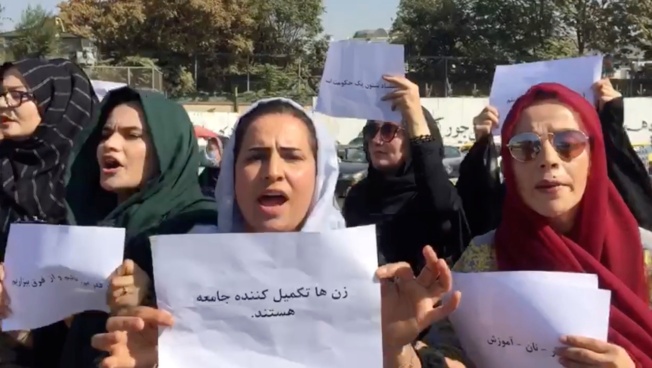
ON AFGHANISTAN, ON THE MEDIA | Afghan female journalists are still reporting the news
read more
The remaining female journalists in Afghanistan have one thing in common: They love their work, and feel it is more vital than ever.

Join the filmmakers of #AfghanistanWoundedLand and thought leaders for a #MeetTheMakers
event to discuss how Afghan women continue to fight for their freedom, peace and democracy.

The dignified reception for Ukrainians shows that the harsh conditions faced by other refugees are anything but inevitable.

After a tumultuous year, Afghans are living a new normal marked by quiet acts of defiance.
Even if they don’t have guns, the Afghan people will find a way to stand against tyranny and abuse, by any means possible, even if that only means walking on the streets and showing your presence to a group that locked them up through violence, war, and intimidation.

The lack of a major overhaul in the United States’ immigration system for roughly thirty years has created an ecosystem where states have attempted to insert their authority over immigration, especially when it comes to enforcement. Texas has made headlines with its tougher approach and outsized role in shaping America’s immigration enforcement policy, while some states have adopted policies to create more welcoming communities.

Many poor countries face major economic disruption and possible default on their sovereign debt in 2022.
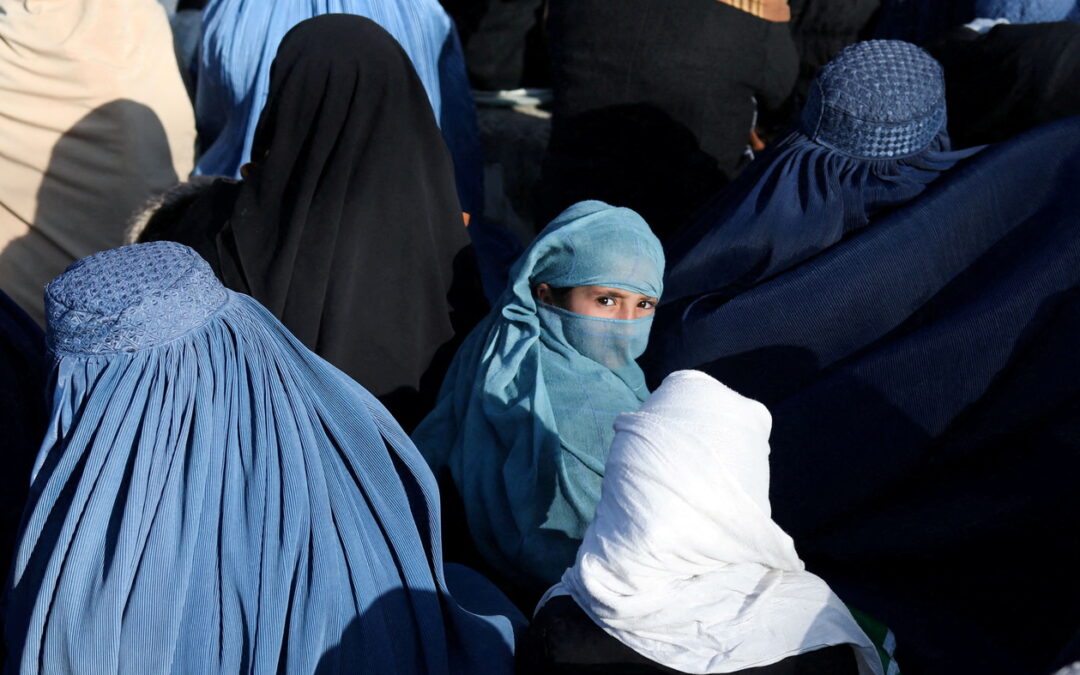
Filmmaker Ramita Navai has seen girls and women forced to marry Taliban members or arrested for violating the morality code. Her new PBS Frontline documentary is Afghanistan Undercover.

Journalism is necessary for civic life because it’s a vital part of the networks that connect us.
Storytelling is the basic way that all communities are created, whether they be neighborhoods or nations. When storytellers create a conversation about the neighborhood — its problems, opportunities, and events — people are able to create the sense and reality of belonging to a community.

A year after the Taliban took power, humanitarian needs are rising even as foreign aid has dried up.
During the former Islamic Republic, foreign aid grants funded 75 percent of public spending. Since the Taliban takeover in August 2021, the United States has provided $775 million in humanitarian assistance to Afghanistan, but the UN says at least $4.4 billion is needed to address the emergency needs of more than 24 million Afghans – 60 percent of the population.

Earlier this year, dozens of senior policymakers in humanitarian response gathered virtually to discuss “decolonising” an international aid sector accused of being top-down, unaccountable, and – in some cases – racist and with unhealthy levels of power over the people it serves.

From mass deportation to unkept relocation pledges, both neighboring and Western countries have turned their backs on at-risk and displaced Afghans.
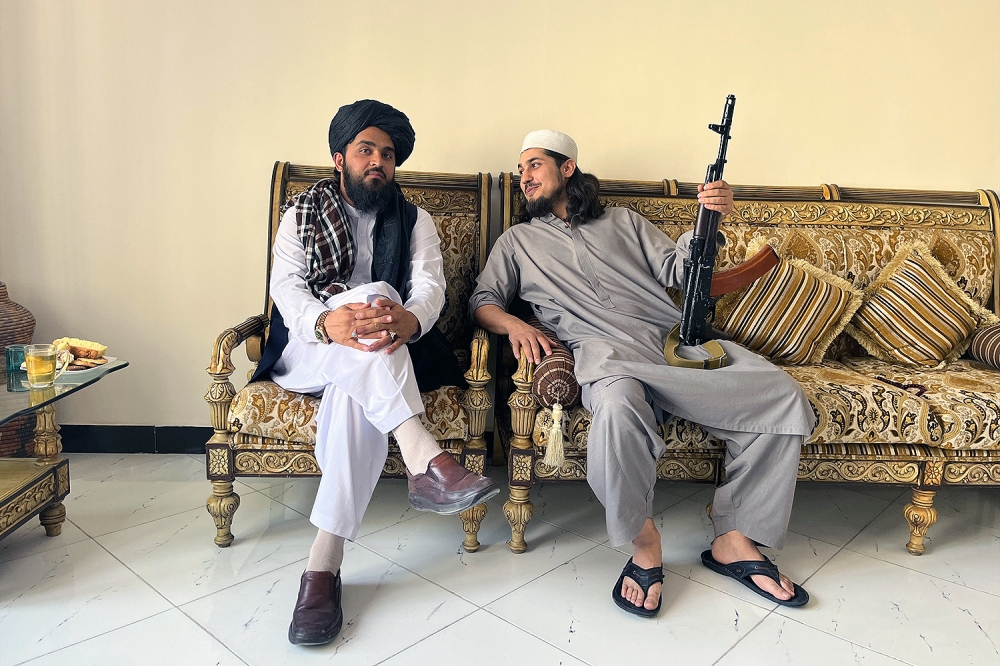
Hassib Habibi carries his convictions as easily as his AK-47. Now he has to resuscitate the Afghan economy as the 31-year-old deputy director of economic cooperation at the Afghan Ministry of Foreign Affairs.