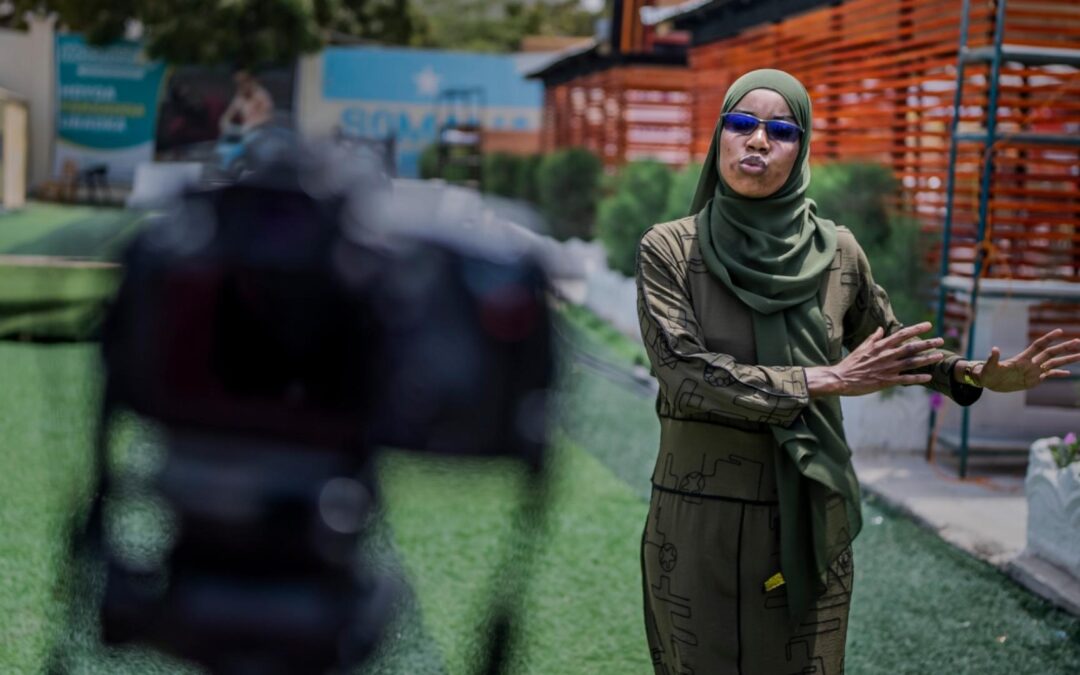
Online violence against female journalists has become a “silent epidemic.” A 2021 UNESCO global survey indicates that nearly three quarters of female journalists have experienced online harassment.
The pressure has been on for 8 months – submitting names and documentation – contacting numerous foreign governments and international organizations – filing Parole and Referral applications – contributing to advocacy efforts – launching the Fund for Afghan Evacuation & Resettlement – soliciting lawyers and family sponsors…
When Heela came out tops in her 9th grade school grades last year, the 14-year-old girl ran home full of excitement, bursting to tell her family the happy news. … Now, almost eight months into the Taliban take-over, which dramatically changed education for girls, that day seems like a distant dream for Heela’s family. Last week, the young girl attempted to end her life by taking over 20 sleeping pills.
Greek security forces are employing third country nationals … “to force [migrants] onto small boats, take them to the middle of the Evros River, and force them into the frigid water, making them wade to the riverbank on the Turkish side. None are apparently being properly registered in Greece or allowed to lodge asylum claims.”
Hopelessly and in tears, I spend the entire day in a corner of the house hoping that God may hear my voice and help me out of Afghanistan so that I can get back to school.
Some Afghan women are quietly pushing to keep professional and personal freedoms under Taliban rule.
“For too long, Somali women journalists have been treated as second class citizens and Somali news has ignored the stories and voices of half the population;
Fake news is not new, but it is inevitable and inescapable – which is why we need uncomfortable, critical and truthful journalism to prevail.
A chaotic U.S. withdrawal has led to “unprecedented” suffering among Afghans. According to a Gallup poll, 94% of Afghans “rated their lives poorly enough to be considered suffering.”
“Diversity is not only about who is telling the story, but about how and to whom you are telling the story,”
Creating a stronger culture of welcome is the only way to replace narratives and policies of cruelty and indifference towards people on the move.
https://sheridanworks.com/learning/ Doc Filmmaking Courses Scheduled for Summer and Fall: Filmmaking Fundamentals starts 6/6 Storytelling Workshop...