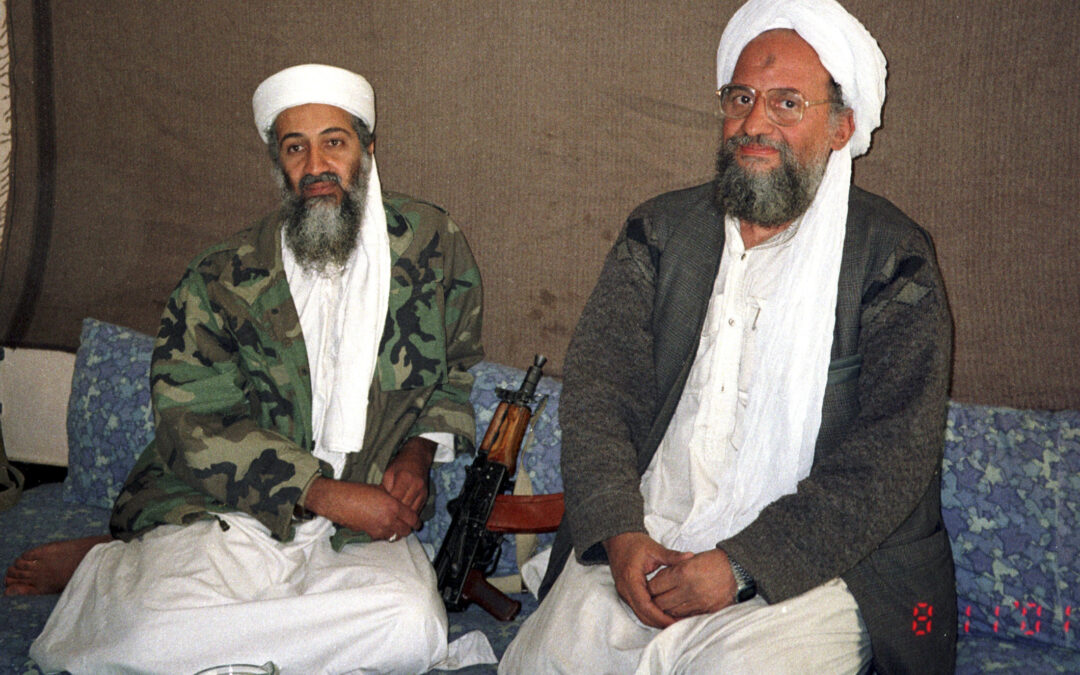
The war on terrorism will not be won with targeted strikes on leadership. That will require political and economic reforms to address popular grievances and create more responsive governance in Muslim-majority countries.
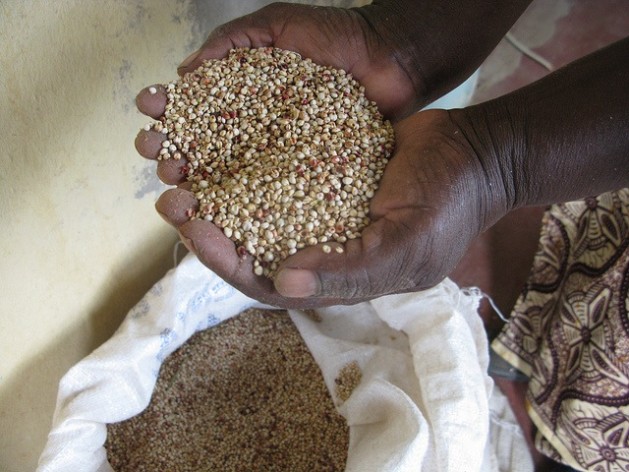
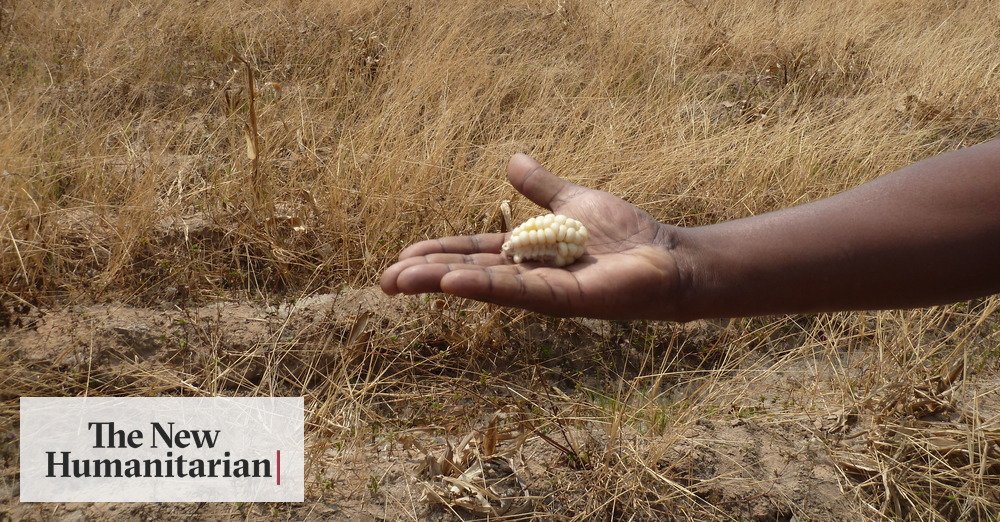
19 million people in Afghanistan will encounter “potentially life-threatening levels of hunger” from June to November of this year, while 6 million people will be under “near-famine conditions.”
The lack of food will leave 1.1 million children at risk of death due to malnourishment if they do not receive more help.
The Russian invasion is sucking up attention, funding, and resources. Aid workers say it’s starting to cost lives. The UN’s appeal for Ukraine is more than 80 percent funded for this year. In comparison, the UN response plan for Afghanistan is around 38 percent funded, Yemen’s is around 27 percent funded, and Sudan’s is around 20 percent funded.
While the North Atlantic Treaty Organization (NATO) Summit ended with net commitments to double spending on weapons and to increase by eight-fold the number of troops in Europe, the total of hungry people worldwide now marks an unprecedented record.
“We’ve been here before. We know what acting slowly does,” said Jeremy Taylor of the Norwegian Refugee Council about the unprecedented drought that’s pushing the Horn of Africa to the brink of famine.
Years of political unrest, under-investment in agriculture, and repeated earthquakes and storms have left 4.3 million people facing acute hunger.
“In the face of climate collapse, it’s time for the North to start looking South — and learn from its people and journalists.”
‘Afghanistan heading for chaos unless action taken immediately’ – Islamic nations
Afghanistan’s economy spirals: For the first time, there are similar levels of food insecurity among urban households as drought-hit rural ones.
The Taliban have inherited databases and technology that could be used to identify people linked to previous regimes or international forces, or members of persecuted groups who have received aid.
What lessons should humanitarians take away from the past 20 years in Afghanistan? Was the role of Western aid agencies helpful or hurtful? Were they impartial or complicit?
In its rush to help Afghanistan, the humanitarian world risks superimposing costly, parallel systems that ignore what already exists: a functioning public health sector, Afghan NGOs waiting for support, and aid agencies that have operated amid a complex crisis for years. The West always acts like it knows better at the cost of local empowerment.