ON AFGHANISTAN | An Afghan Photographer’s Intimate Look at Everyday Life in His Country

February 12, 2019

…“it’s difficult for photographers who’ve grown up in conflict seeing what goes on the front pages of the newspapers.” Many, he suggested, feed the international media with representations of their country they feel the world expects, perpetuating, in the case of Afghanistan for instance, the myth of intractable conflict.

But Farshad Usyan’s instinct was to avoid those tropes. Instead, his gentle demeanor inclined him away from scenes that focused only on the violence expected of Afghanistan and toward more mundane struggles: child laborers, poverty and the effects of climate change, as well as unexpected vignettes from a more modern Afghanistan in Mazar’s snooker parlors and barbershops.

Source: An Afghan Photographer’s Intimate Look at Everyday Life in His Country, New York Times, Photographs by Farshad Usyan, Text by Andrew Quilty, Feb. 11, 2019

Related Posts:

Video Editing and Post-Production Course, 7 Online Sessions – Starts 10/21/26

Video Editing and Post-Production Course, 7 Online Sessions – Starts 10/21/26

Michael Sheridan is one of the best teachers one could hope to have. He has a genuine commitment to facilitating students’ ability to realize their vision, which is backed by a deep understanding of technology and technique. I had the pleasure of hiring Michael to teach over twenty years, and student reviews were always excellent.
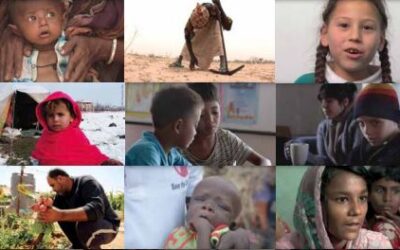
Five Dark Years – the Fall of Humanity and the Silencing of a Generation

Five years have passed since the fall of Afghanistan—a period that, for millions of people, has meant far more than lost years. It has been five years of humiliation, deprivation, fear, silence, and the gradual erosion of hope and human dignity.

Five years ago, Afghanistan fell into the hands of a group that, instead of building a future, closed the doors of life on its people. During these five years, the Taliban have not moved toward reform or change. On the contrary, with each passing day, restrictions have expanded and life has become increasingly difficult for millions of Afghans. The rights to education, work, freedom of movement, social participation, and many of the most basic freedoms of human beings—particularly women and girls—have been taken away.

0 Comments

Submit a Comment

Your email address will not be published. Required fields are marked *