6 June 2026, This story was originally published by The New Humanitarian. In the pursuit of diagnosing what’s wrong with humanitarian storytelling,...
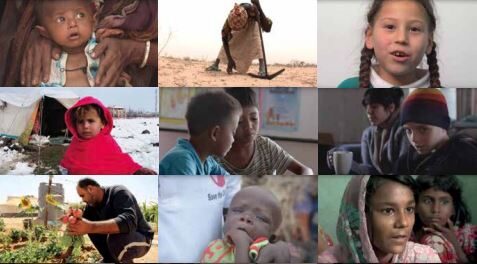
Decolonise How? | How to change reporting
read more
6 June 2026, This story was originally published by The New Humanitarian. In the pursuit of diagnosing what’s wrong with humanitarian storytelling,...

Our collective visual vocabulary of crisis is neither accidental nor neutral. It has been shaped by decades of coverage, often from a narrow, Western lens – a lens that has taught audiences what suffering is supposed to look like. That vocabulary now distorts our understanding of crises and undermines the dignity and agency of those living through them.

Your help is needed to advocate for refugees like Shekib and his family.
The Trump administration suspended the US refugee program and funding for refugee resettlement. This has stranded tens of thousands of refugees already vetted to enter the US and hundreds of thousands more who were in process.
Here are some options for your advocacy:
– Church World Services action-alert to oppose Trump’s indefinite refugee ban
– United in Welcome – Tell Your Elected Officials: We Value Welcoming
– Refugee Council – Quick Reference Guide and Top Four Ways to Take Action

After three years of persistent advocacy, two Afghan families that worked with Community Supported Film have finally arrived in the United States....

Israel responsible for record journalist death toll of 126 journalists. The CPJ has found that at least five journalists were specifically targeted by Israel for their work and is investigating at least 10 more cases of deliberate targeting

The digital revolution and modern journalism allow us to cover Afghanistan during these critical times despite Taliban efforts to block us.

Who is best placed to report on humanitarian situations. Is it the cadre of “international” journalists or their local counterparts?

This is an on point analysis of the bias and other colonialist practices of mainstream Western media that are so badly impacting how we understand and address conflicts and crises.

The goal, she says, was to teach her followers that there was more to Gaza than conflict and destruction.
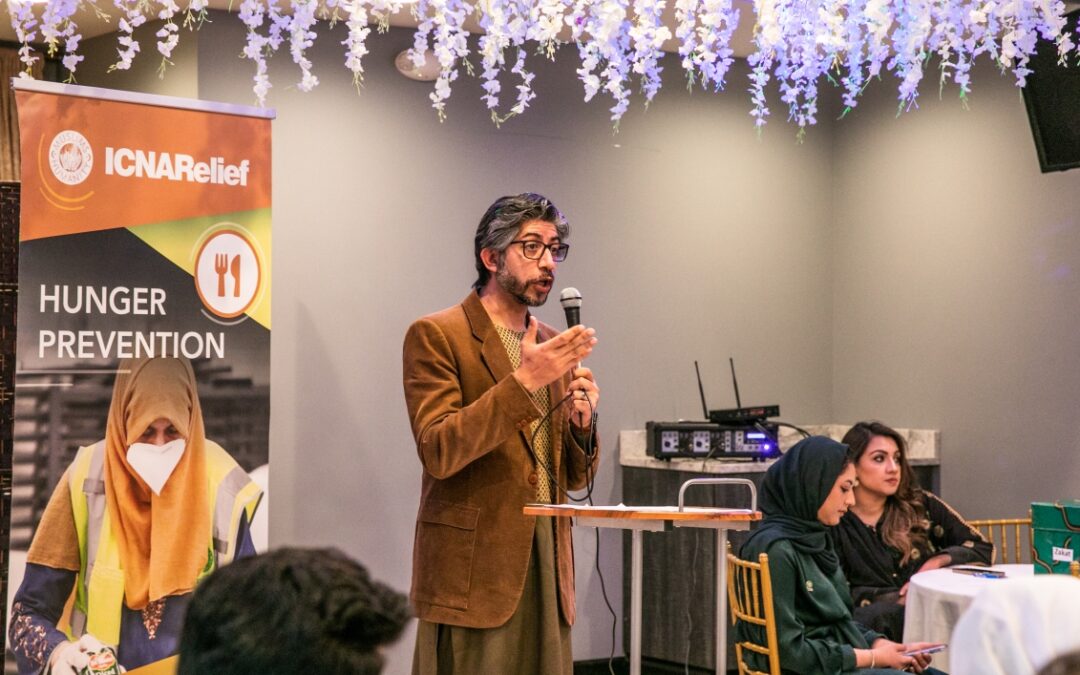
After Afghanistan fell to the Taliban tens of thousands of Afghans made their way to the United States. They were allowed to stay under a program called “humanitarian parole.” But that status expires in a couple of months, and although they can renew one time, many are calling for Congress to pass the Afghan Adjustment Act, which would allow them to seek more permanent status.
For thousands of Afghans, the American withdrawal from Kabul was just the beginning of a long, dangerous search for safety.
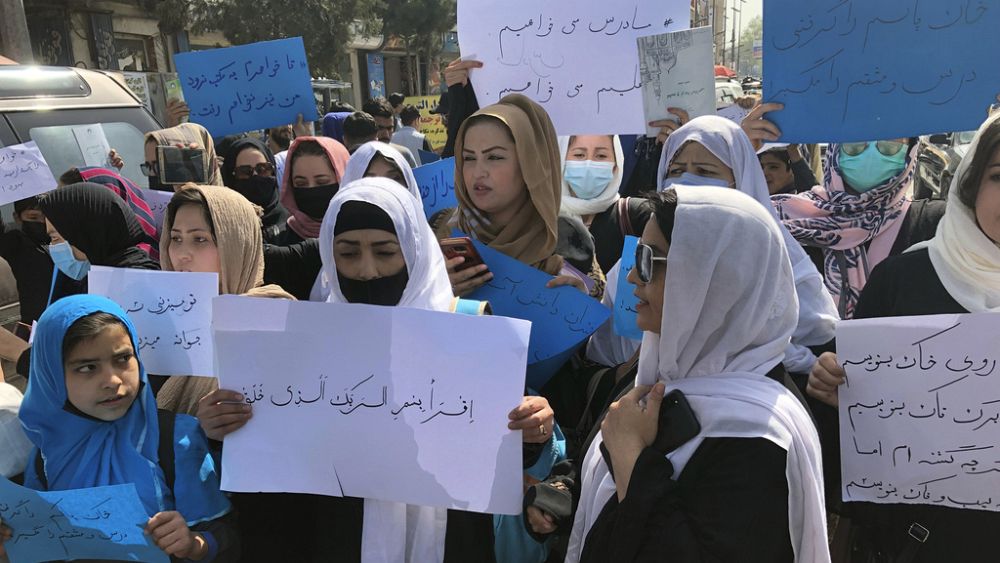
“Recognition of Taliban — violation of women’s rights,” the women chanted during the march, which lasted no longer than 10 minutes in the capital.